

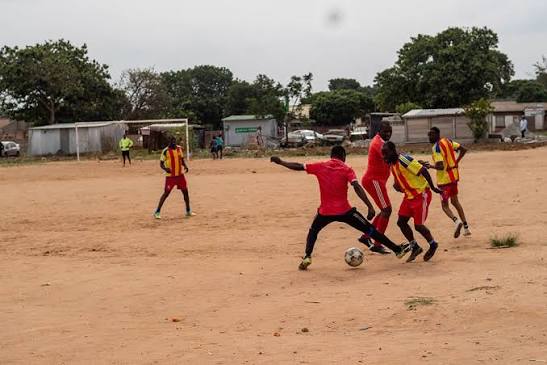
HARARE — Rural Zimbabwe is being left behind in sports development as decades of underinvestment have created wide disparities in access to sporting facilities, Parliament has heard.
A report by Parliament’s Portfolio Committee on Sport, Recreation, Arts and Culture said economic challenges had constrained investment in sports infrastructure, leaving many rural communities dependent on school grounds for sporting activities.
“In rural areas, sporting and recreational facilities were largely situated on school grounds, resulting in the systematic exclusion of certain disciplines such as rugby, hockey, swimming, and basketball.”
The committee said the imbalance between urban and rural infrastructure risked excluding young athletes from opportunities available in major cities.
“While urban amenities had benefited from private sector partnerships and financing consistent with the National Development Strategy 1’s objective to promote enterprise development, the Committee noted that such approaches risk excluding underserved areas.”
It cited the deterioration of Negashe Stadium in Hwange as an example of the country’s uneven sports development.
“The severe deterioration of Negashe Stadium in Hwange was cited as illustrative of systemic imbalances, which stand in contradiction to the Vision 2030 pledge that no place and no one should be left behind.”
In its observations, the committee warned that unequal access to sports infrastructure was reinforcing broader socio-economic inequalities.
“The Committee identified a misalignment between national policy and infrastructure, violating Section 32 of the Constitution, which mandates nationwide access to sports facilities.”
“Urban-rural disparities in sports infrastructure deepen socio-economic inequalities, denying rural youths opportunities in sports like swimming, hockey, and tennis, and wasting untapped talent.”
The committee said addressing the disparities was both a constitutional obligation and an economic necessity.
“Bridging this gap is both a constitutional obligation and an economic necessity.”


