

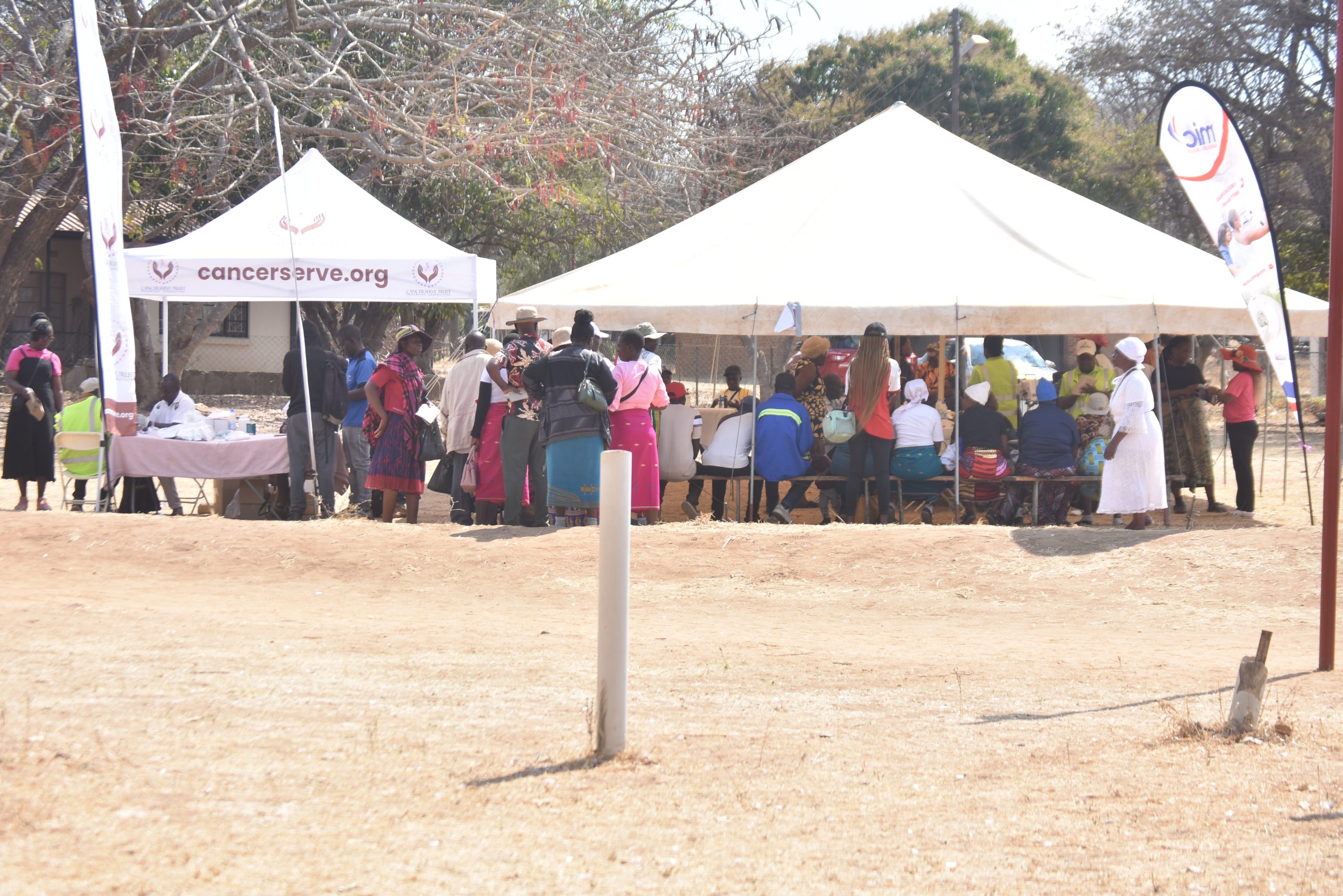
KARANDA — Dozens of patients received cancer screening, medical advice, psychosocial support and other assistance during a cancer outreach programme at Karanda Mission Hospital on Saturday, as doctors and survivors urged people to seek screening early and not regard a cancer diagnosis as a death sentence.
The outreach brought together doctors, oncology nurses, pharmacists, laboratory personnel, counsellors, cancer survivors and volunteers, providing services ranging from screening and referrals to medicines and psychosocial support.
The choice of Karanda also placed the programme at a hospital whose reach extends far beyond the rural community in Mt Darwin district where it is located.
The 150-bed mission hospital draws patients from across Zimbabwe and neighbouring Mozambique, Zambia and Botswana, with many travelling long distances in search of care.
Karanda says its mission is to provide “excellent, accessible, affordable, quality and compassionate health services.”
Its patient numbers illustrate the pressure created by that reputation.
Karanda recorded 113,744 outpatient visits in 2024, up from 99,957 in 2023 and 93,105 in 2022 — an increase of about 22% in two years. It also recorded 6,470 inpatient admissions, 2,086 institutional deliveries and 3,774 operations in 2024.
Demand continued growing in 2025, when the hospital says it provided almost 140,000 outpatient services and recorded about 7,500 inpatient admissions.
It was against that backdrop that Cancerserve Trust and its partners brought cancer services and support to Karanda.
Dr. Anna Nyakabau, founder of Cancerserve Trust, an organisation working to improve cancer access for people who may struggle to reach or afford specialised services, said taking care closer to communities was central to the initiative.
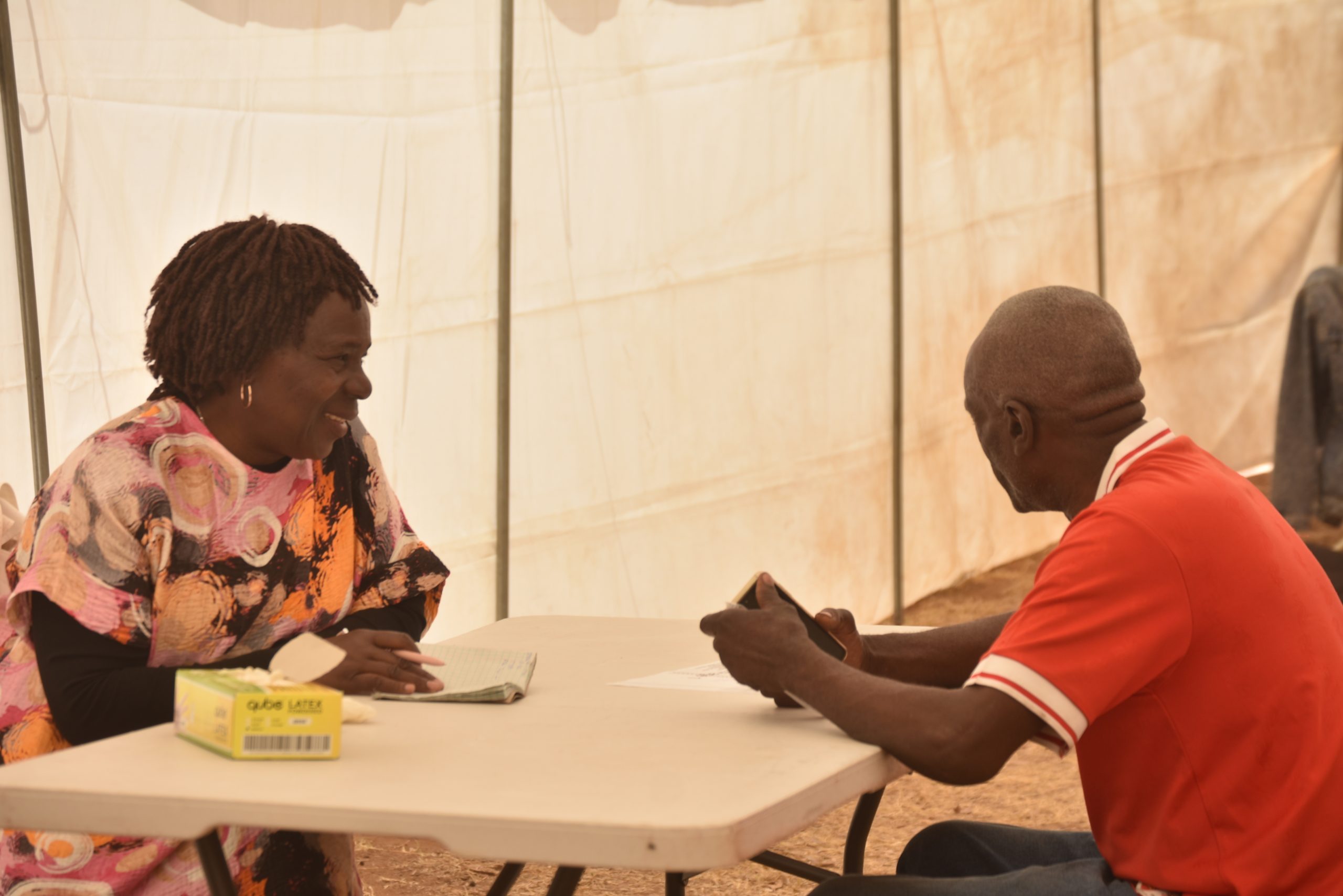
“Your generosity enables us to take cancer awareness, screening, education and patient support services into communities where access to specialised healthcare is often limited,” Nyakabau said in remarks at the close of the outreach.
She said detecting cancer early remained critical.
“Early detection remains one of our strongest weapons against cancer,” Nyakabau said.
Partners provided a range of services and supplies during the programme, including scans, medicines, eye examinations and reading glasses, psychosocial support, oncology nursing services, pain and blood pressure medication, food hampers and refreshments.
Support also included chemotherapy chairs donated to strengthen cancer care.
Among the organisations involved were Second Chance Trust, Parirenyatwa Group of Hospitals, Avenues Clinic, Spec Savers, Miracle Mission, MIC, Tongaat Hulett, Maguires, Expacare, Simbisa Brands, Fuchs Lubricants, Care Express Pharmacy, Sunhill Lions, Sky Pharmacy, Sun Pharmacy and Juice 2go.
Health professionals used the outreach to educate patients about some of Zimbabwe’s most prevalent cancers and the importance of seeking care early.
Dr. Kudzai Makova, a clinical oncologist with the Ministry of Health and Child Care, said cervical cancer is the most common cancer among women in Zimbabwe, while prostate cancer is the most common among men.
“The third most common is breast cancer, which affects both men and women. So those are the top three cancers that we diagnose and treat in Zimbabwe,” Makova said.
Cervical cancer accounts for almost 41% of cancers among women in Zimbabwe, followed by breast cancer at 13%, according to Zimbabwe’s National Cancer Registry.
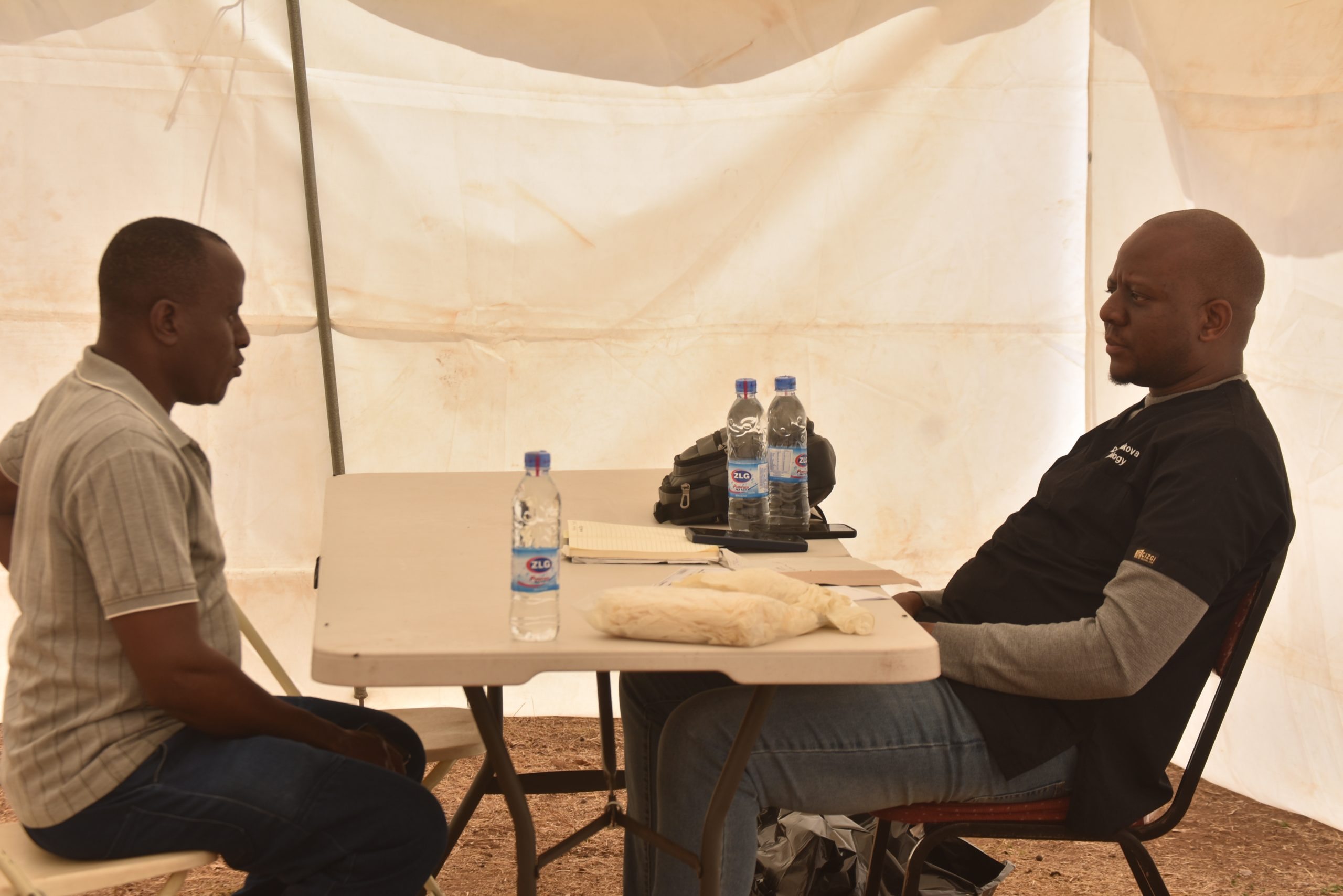
Makova said persistent infection with high-risk strains of the human papillomavirus, or HPV, is the most important risk factor for cervical cancer.
That also means there are opportunities to prevent the disease and detect changes before cancer becomes advanced.
“The beauty of oncology is we learn the natural history of cancers, and there are so many opportunities to institute interventions to detect these cancers early,” Makova said.
Yet many patients are still arriving for treatment late.
“When we spread this message about the screening and early diagnostic opportunities for cervical cancer, it would perhaps reverse the unfortunate trend that we see where most patients present with advanced stage disease,” he said.
The outreach was not limited to clinical services.
Cancer survivors were also brought into the programme to speak to patients and provide a form of support that doctors and nurses cannot always provide — the experience of having faced a cancer diagnosis themselves.
Keretia Chikowe, director of Second Chance Trust and a cancer survivor, said the organisation was established in November 2019 after identifying a gap in psychosocial support while undergoing cancer treatment herself.
“When I was sick, I noticed that there was a gap in terms of psychosocial support and counseling for people that were going through cancer,” Chikowe said.
She said the emotional consequences of diagnosis can remain even while doctors concentrate on treating the disease.
“When you’re diagnosed, life goes on for those people that are well. Your family, they move on. Your friends, they move on. Your colleagues at work, they move on, and you are in a space where it’s you and God facing each other in the disease,” she said.
At Karanda, Second Chance Trust provided psychosocial support and counselling alongside the clinical services.
“Second Chance offers the psychosocial support and counseling to cater for the spiritual and emotional needs of our patients,” Chikowe said.
Other survivors shared their experiences with patients.
Patricia Chimanga, who was diagnosed with cervical cancer at Karanda in 2023, said she initially depended on relatives to help meet the costs of treatment before receiving assistance from the hospital in 2023 and 2024.
Martha Nganga, 50, a nurse at Karanda Mission Hospital, said the hospital’s Madiro programme assists some cancer patients with treatment-related financial costs.
Chimanga now returns to Karanda for follow-up reviews.
She said surviving the disease has increasingly put her in a position to help patients who are confronting what she once faced.
“Sometimes I am called to give advice to people who are going through what I went through,” Chimanga said.
Her treatment also exposed her to stigma and misinformation.
As chemotherapy caused her hair to fall out, she said some people talked about her condition and advised her to seek traditional healers.
“People would say, ‘Go and see traditional healers.’ When I was going through chemotherapy, so many things were said about me. My hair was falling out and people were talking,” Chimanga said.
Gladys Fainozi, 58, also shared her experience after surviving breast cancer.
Fainozi discovered a lump in 2003 but initially ignored it because she feared treatment would disrupt her studies.
“I felt the lump in 2003, and I decided to ignore that because I didn’t want it to disturb my studies,” she said.
She was eventually diagnosed, underwent surgery and chemotherapy and later travelled to South Africa for radiotherapy.
Her experience reinforced one of the messages doctors repeatedly gave patients at Karanda: suspicious changes should be investigated rather than ignored.
Cancerserve is also involved in an initiative through Parirenyatwa Group of Hospitals supporting some women who have undergone surgery and chemotherapy for breast cancer and require tamoxifen as continuing treatment aimed at reducing the risk of recurrence.
Karanda itself has experience treating cancer patients alongside its broader medical workload. The hospital’s services include surgery and treatment of chronic illnesses, while its growing patient volumes have prompted continuing efforts to expand its clinical capacity.
The outreach brought specialist cancer expertise into a facility already serving as a destination for patients travelling considerable distances for medical care.
Nyakabau said the programme should not be viewed as ending when the outreach teams left Karanda.
“Today’s outreach is not the end of our journey; it is another important step towards ensuring that every Zimbabwean, regardless of where they live, has access to cancer information, early detection and appropriate care,” she said.
She urged people referred for further assessment to keep their appointments and encouraged those who attended to share what they had learned with relatives, friends and neighbours.
At a hospital that says it is already “bursting at the seams” because of the numbers seeking care, the outreach illustrated both sides of Zimbabwe’s cancer challenge: the need to bring screening and specialised expertise closer to patients, and the need to ensure that those diagnosed are supported through what comes next.
For some patients at Karanda, that support came from doctors and nurses. For others, it came from survivors able to tell them from experience that a cancer diagnosis did not have to be the end.

