

Health minister says pioneering physician’s legacy should inspire compassionate care, urges medical aid societies and healthcare providers to put patients first
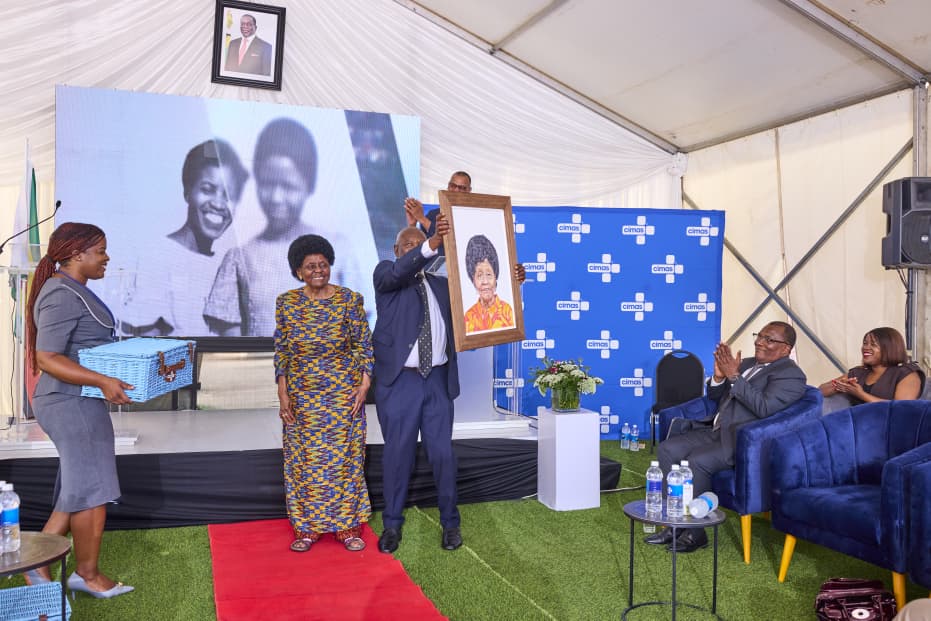
HARARE – More than half a century after breaking racial and gender barriers to become Zimbabwe’s first Black female medical doctor, Dr. Madeline Nyamwanza-Makonese has been honoured with a medical centre bearing her name.
Cimas Health Group on Friday renamed its Van Praagh Medical Centre in Milton Park, Harare, in recognition of the pioneering physician, whose career has spanned decades of public and private medical practice.
Nyamwanza-Makonese made history in 1970 when she became the first Black Zimbabwean woman to qualify as a medical doctor and the first African woman to graduate from her medical school.
She was the only woman in a class of 25 students, achieving the milestone at a time when racial and gender discrimination restricted opportunities for Black women seeking professional careers.
In remarks delivered on his behalf by Sally Mugabe Central Hospital chief executive Dr. Mungani, Health and Child Care Minister Douglas Mombeshora said the recognition went beyond celebrating an individual achievement.
“Her achievement was not simply personal. Through her contribution to maternal and child health, advocacy for women’s education and health equity, and mentorship of younger professionals, she helped open doors for others,” Mombeshora said.
“She exemplified the virtues of pioneering, excellence, service and leaving no one behind.”
The minister said Nyamwanza-Makonese had demonstrated that professional excellence should not be determined by gender or background.
Her recognition follows a national honour in August 2025, when she received the Robert Gabriel Mugabe Commendation Award for Service in Human Capital Development.
Mombeshora challenged Cimas to ensure that the newly named facility reflected the values associated with the pioneering doctor’s career.
“However, the greatest tribute to her legacy will not be the name above this entrance, but the quality of care delivered within these walls. Every patient must encounter professionalism, compassion, dignity and respect,” he said.
Speaking at the ceremony, Nyamwanza-Makonese’s husband, Eben Makonese, described the honour as a deeply emotional moment for the family.
“To see this state-of-the-art medical center carry Madeline’s name is a tribute that touches our hearts beyond measure,” he said.
“This facility stands as more than just brick, mortar, and advanced medical equipment.”
Makonese recalled how his wife had established her own medical practice after years of service in government and with the City of Harare.
He recounted an occasion when she drove 30 kilometers to her surgery on Christmas Day because she was concerned that a patient might arrive needing medical attention.
He said he had reminded her that it was Christmas, but she insisted on checking the surgery despite the holiday.
When she returned home, he questioned whether the 60-kilometer round trip had been worthwhile, particularly at a time when she charged just $1 for children’s consultations and $5 for adults.
“To us as a family, it represents the values, compassion, unwavering dedication that Madeline has embodied throughout her career and life,” Makonese said.
The ceremony also provided a platform for Mombeshora to address tensions within Zimbabwe’s healthcare sector, particularly disputes between medical aid societies and healthcare providers over tariffs, co-payments and financial settlements.
He called for greater cooperation between the public and private sectors as the government pursues universal health coverage and reforms toward a national health insurance system.
“Differences over tariffs, co-payments and settlements must be resolved through dialogue, transparency and fair, sustainable arrangements. The patient must never become the casualty of disputes between institutions that should be working together,” Mombeshora said.
The minister acknowledged that debates over vertical integration in healthcare had generated conflicting views but said such disagreements should not undermine cooperation.
He said institutions should respect each other’s professional responsibilities while working toward a common goal of improving access to affordable, quality healthcare.
“The objective is not for one stakeholder to prevail over another, but for the sector to emerge stronger through constructive engagement, evidence informed decisions and mutual respect,” he said.
Mombeshora said the planned national health insurance reforms would require contributions from medical aid societies, healthcare providers, academics, actuaries and other stakeholders to ensure access to treatment was not determined solely by patients’ financial circumstances.
Mashonaland Holdings Limited, which owns and developed the medical centre, said the project reflected cooperation between the property company and Cimas Health Group.
Speaking on behalf of Mashonaland Holdings, Head of Property Services Progress Kamonere Sibanda said the development had been designed around Cimas’ operational requirements.
“As the owner and developer of this property, Mashonaland Holdings is proud to have delivered a purpose-built facility for Cimas, with their input throughout the development process,” she said.
“We believe that great property development is not simply about building structures; it is about creating spaces that enable institutions to fulfil their purpose and make a lasting difference.”
Sibanda said the naming of the facility recognised a woman whose pioneering career would continue to inspire future generations of healthcare professionals.
For the Makonese family, the honour represents more than a recognition of her place in Zimbabwe’s medical history.
Her husband expressed hope that the compassion which once drove her to travel to work on Christmas Day would remain central to the care offered at the facility bearing her name.
“May God richly bless this facility, its staff, and all who seek care within these walls,” he said.
