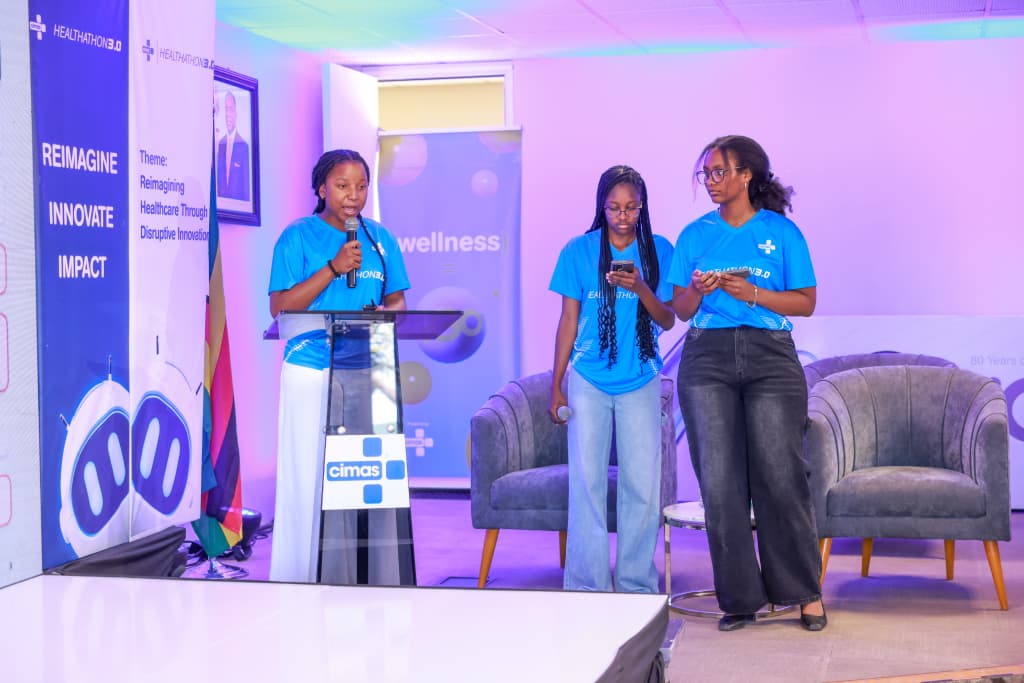
HARARE — From protecting patient information when doctors use artificial intelligence to carrying a solar-powered clinic into remote communities, Zimbabwean innovators are pitching solutions to some of the country’s persistent healthcare challenges at the Cimas Healthathon in Harare on Friday.
Ten finalists are competing in the third edition of the digital health innovation challenge after being selected from 372 submissions received from innovators, start-ups, researchers, students and technology enthusiasts across Zimbabwe.
By the halfway stage, presentations had touched on artificial intelligence, women’s health, blood shortages, cervical cancer screening, occupational lung disease and access to healthcare in areas without reliable electricity or internet connectivity.
One team presented Lengo, a security platform designed to sit between healthcare workers and public AI systems and prevent sensitive patient information from being inadvertently shared.
The team said a survey of 41 healthcare workers found 63% were already using AI at work. Among confirmed users, 72.5% reported using it daily or several times a day, while 66% said they had no organisational policy or training on safe AI use.
Lengo is designed to detect and redact identifying information before a prompt reaches an external AI platform while recording that a potential violation occurred without retaining the patient’s name, identification number or diagnosis.
Another finalist, Lily, is tackling barriers women face in recognising, documenting and communicating health problems.
The proposed platform would allow women to track symptoms, access information addressing health myths and taboos and prepare for medical consultations through what the developers describe as an advocacy simulator. It would also generate a summary of symptoms recorded over time for presentation to a clinician.
Blood shortages were the focus of another team, which proposed a geofenced SMS platform that could mobilise verified eligible blood donors during emergencies.
Under the proposed system, when a hospital reports an urgent need for a particular blood type, the platform would identify the nearest open blood collection point and send alerts to eligible donors within a defined radius.
The developers said the system could be particularly useful in emergencies involving postpartum haemorrhage and trauma patients, where delays in obtaining blood can have serious consequences.
Silica Guard, meanwhile, is targeting silicosis among artisanal miners.
The team is developing a USSD and AI-assisted screening system that would assess miners’ risk, provide health information, support referrals and track whether those referred subsequently reach a health facility.
Its developers said accessibility was central to the design, with miners able to use the service from basic mobile phones without smartphones or internet connectivity.
Among the youngest participants were Peterhouse students developing an offline smartphone-based decision-support tool for cervical cancer screening.
The prototype is intended to assist nurses interpreting cervical screening images in low-resource clinics when specialist advice is not immediately available.
The students said interviews with nurses, midwives, gynaecologists and researchers suggested interpretation was a major difficulty during screening, particularly when nurses were uncertain and had to seek specialist advice remotely.
The growing use of AI in several proposed solutions also prompted questions from judges about whether Zimbabwe has enough local clinical data to safely train and validate such systems.
One judge cautioned that limited Zimbabwean clinical and imaging data could make it difficult for an AI diagnostic model to achieve the sensitivity and specificity required for local conditions, highlighting the gap between developing a promising prototype and deploying it reliably in clinical settings.
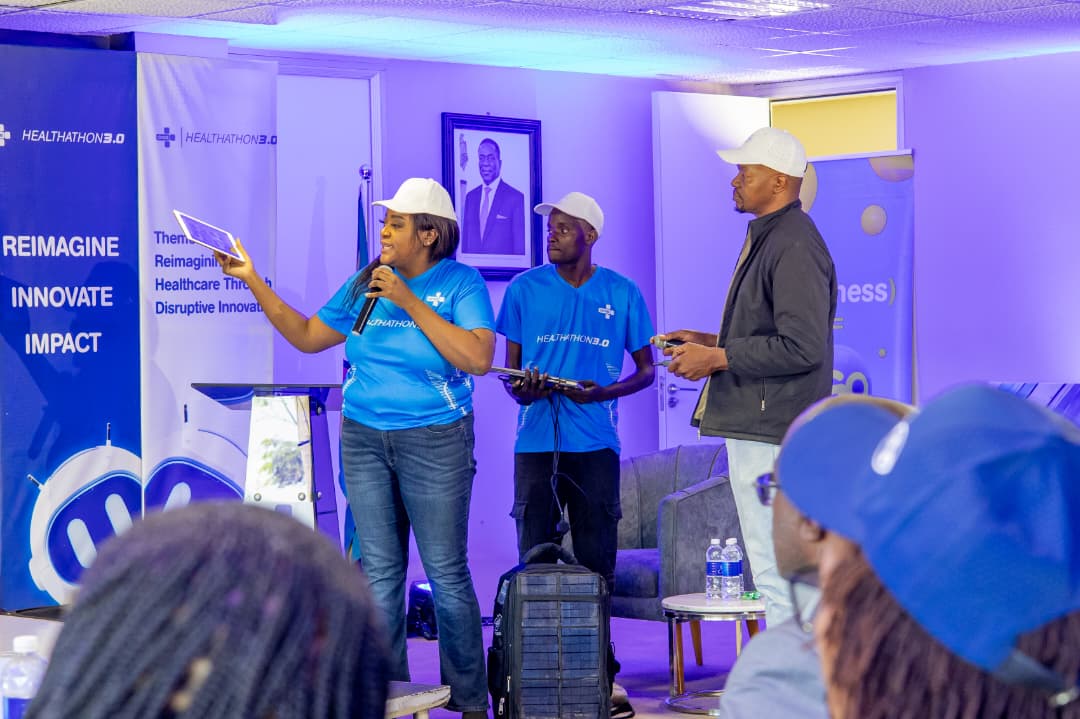
Another finalist, Team Diva, took a more physical approach to the infrastructure problem.
Its PaOli Health concept is a waterproof, solar-powered medical backpack intended for village health workers and mobile clinicians operating in remote or off-grid areas.
The backpack incorporates temperature-controlled storage for vaccines, medicines and patient samples, a power source for point-of-care diagnostic equipment and mobile devices, and lighting for consultations after dark.
The finalists are presenting before a panel of Cimas executives and external experts from healthcare, technology, innovation and industry.
The winner will receive US$3,500, with US$2,000 and US$1,500 going to the second- and third-placed teams, respectively.
Cimas has said promising innovations could also be considered for further validation, incubation, partnerships or pilot programmes.
The Healthathon 3.0 finale is being held at Cimas Health Group’s Borrowdale headquarters under the theme, “Reimagining Healthcare Through Disruptive Innovation.”