

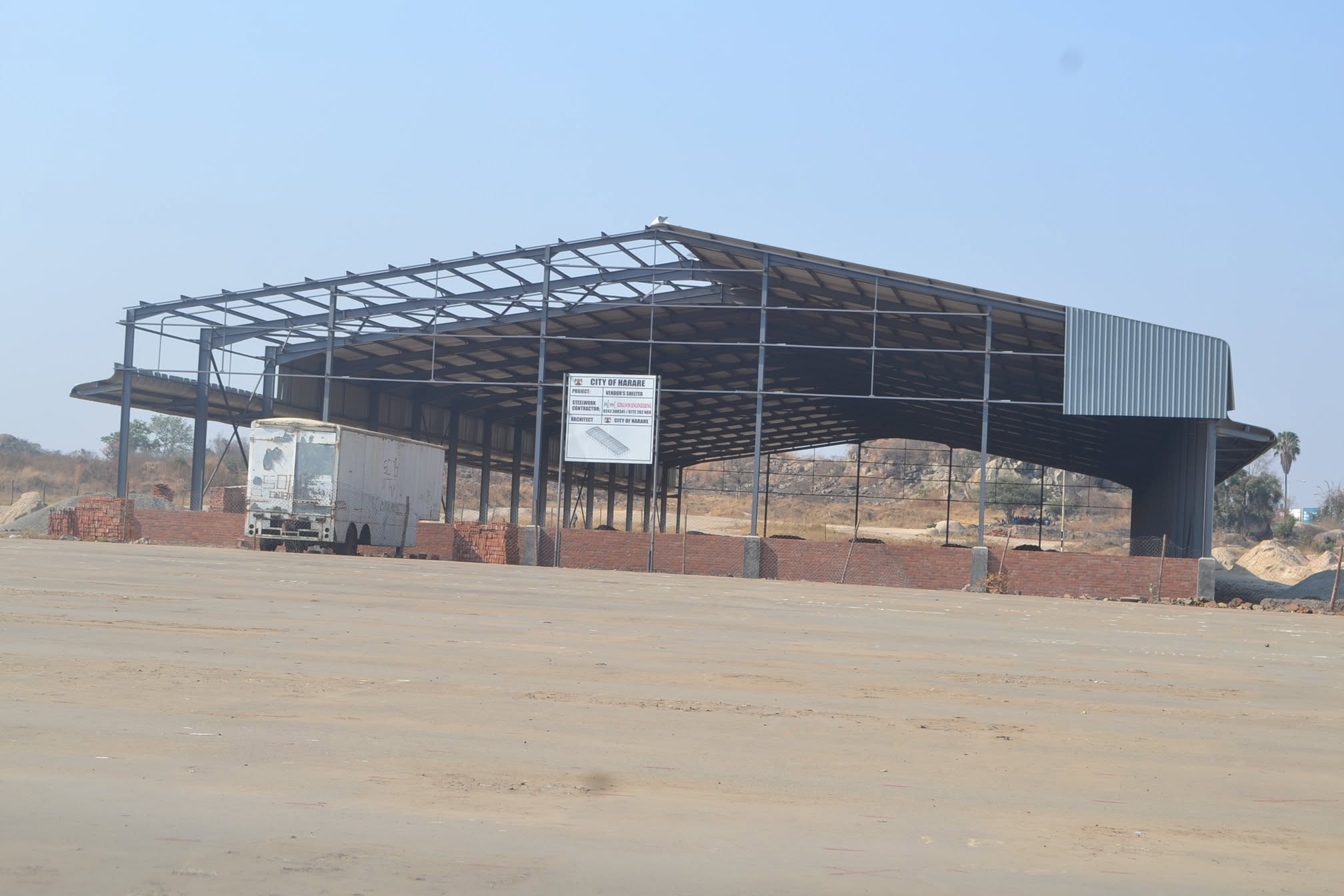
Local Government Minister Daniel Garwe says Harare’s 85 existing markets are being refurbished as authorities seek to move informal traders from undesignated spaces.
HARARE — The government has directed local authorities to establish new vending markets across Zimbabwe’s approximately 2,500 wards as it intensifies Operation Chenesa, a cleanup campaign targeting informal trading in undesignated areas.
Local Government Minister Daniel Garwe told the Senate on Thursday that Harare’s 85 existing markets were also being refurbished to accommodate traders.
The announcement followed questions from Senator Goodwills Masimirembwa about whether sufficient alternative trading spaces were available for vendors and small businesses affected by the cleanup campaign.
Garwe said local authorities had been instructed to construct at least one new vending site in every ward.
“We have got 2 500 wards and we are now discussing with the private sector players who are in the steel industry, Manhize in particular, to come and join us to have the quickest way of constructing markets in all the wards in the country,” Garwe said.
He said authorities were working to refurbish existing markets in Harare.
“The City of Harare alone has got 85 existing markets. Of the 85 existing markets, we have directed the local authorities to refurbish all of them,” he said.
Garwe defended Operation Chenesa, saying the campaign was being implemented under existing legislation and council bylaws.
“We do not have provision for people selling their wares on pavements, along streets, in areas, which are not designated,” he said.
The minister said authorities had engaged companies that supplied pushcarts to informal traders, resulting in many of the carts being removed from city streets.
He also raised concerns about traders operating at night, saying urban areas lacked adequate sanitation facilities to support nighttime vending.
“Our economy is not yet ready for night vending, Senate President. We do not have the sanitary facilities as yet,” Garwe said.
He said the government was discussing additional sanitation facilities with urban local authorities to reduce the risk of waterborne diseases, including cholera and typhoid.

